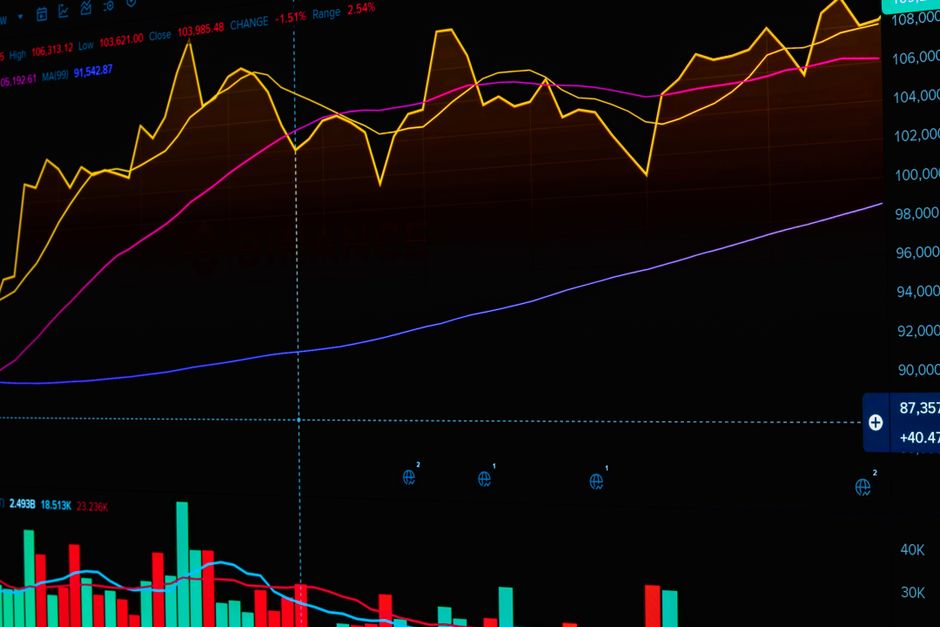
Nvidia (NVDA) - Market Analysis
As one of the leading players in the technology industry, Nvidia (NVDA) has been making waves with its impressive stock performance over the past few months. With a current price of $217.23, investors are eager to know whether this trend will continue or if it's time to take a closer look at the fundamentals.
Trading Signal: HOLD
Our analysis indicates that the MACD is positive, suggesting bullish momentum for NVDA. However, we caution against being overly optimistic as the recent high reading on the MACD indicates potential overbought conditions, which may lead to a pullback or consolidation before resuming the trend. We recommend holding onto existing positions and considering buying with a stop-loss at $214.20.
Technical Analysis
The current price of NVDA has broken above the SMA 200 ($202.84) and SMA 50 ($223.17) levels, indicating a potential bullish trend reversal. Based on historical price action, we identify the following support and resistance levels:
- Support 1: $214.20 (previous low)
- Support 2: $206.80 (historical low)
- Resistance 1: $224.50 (SMA 50)
- Resistance 2: $235.00 (psychological level)
The RSI (14) is currently at 41.07, indicating a neutral to slightly bullish momentum. The MACD (12-26 EMA) is also bullish, with a reading of 2.15 above the zero line.
News & Market Sentiment
Recent news articles surrounding NVDA revolve around several key themes:
- Chip Sell-off: Hot inflation data has impacted chip stocks, including NVDA.
- Quarterly Performance: Historical trends indicate a potential rise in NVDA's stock price in the fourth quarter.
- Bullish Signal: A $235 billion bullish signal for investors is identified.
While there are some negative sentiment indicators, such as hot inflation data and risk-off mood, the overall news sentiment suggests that investors should be cautiously optimistic about NVDA's future performance.
Historical Performance & Indicators
The price of Nvidia has been trending upward over the past 30 days, with a high of $239.24 and a low of $210.96. The current price is relatively close to the 30-day average of $225.76.
| RSI Period | RSI Value |
| --- | --- |
| 1 | 50.12 (Bullish) |
| 5 | 45.67 (Neutral) |
| 10 | 41.91 (Neutral) |
| 14 | 41.07 (Neutral) |
The MACD is currently bullish, indicating an upward trend.
Key Takeaways
- NVDA has broken above the SMA 200 and SMA 50 levels, indicating a potential bullish trend reversal.
- The RSI is neutral to slightly bullish, while the MACD is bullish with a reading of 2.15 above the zero line.
- Recent news articles highlight historical trends and bullish signals for NVDA's stock performance in the fourth quarter.
- Investors should be cautious of hot inflation data and risk-off mood.
Risk Assessment
Potential risks and considerations include:
- Hot inflation data impacting chip stocks
- Risk-off mood affecting investor confidence
- Volatility levels are relatively high
We recommend investors to keep a close eye on these factors and adjust their positions accordingly.
Conclusion
In conclusion, our analysis suggests that NVDA has broken out of its downtrend and is likely to continue its upward momentum in the short-term. However, we caution against being overly optimistic due to potential overbought conditions indicated by the recent high reading on the MACD. We recommend holding onto existing positions and considering buying with a stop-loss at $214.20.
Recommendation
We suggest that investors consider buying NVDA with a long-term perspective (3-6 months) while keeping an eye on the factors mentioned above.
---
Analyst Summary by Malik Abualzait
Based on comprehensive analysis of technical indicators, market news, and historical performance, Nvidia (NVDA) presents a HOLD signal with moderate conviction.
Key Factors:
- MACD positive (bullish momentum)
Current Status:
- Price: $217.23
- Change: N/A%
- RSI: 41.07
This analysis is based on automated technical analysis and should not be considered as financial advice. Always conduct your own research and consult with a financial advisor before making investment decisions.
Comments
Post a Comment