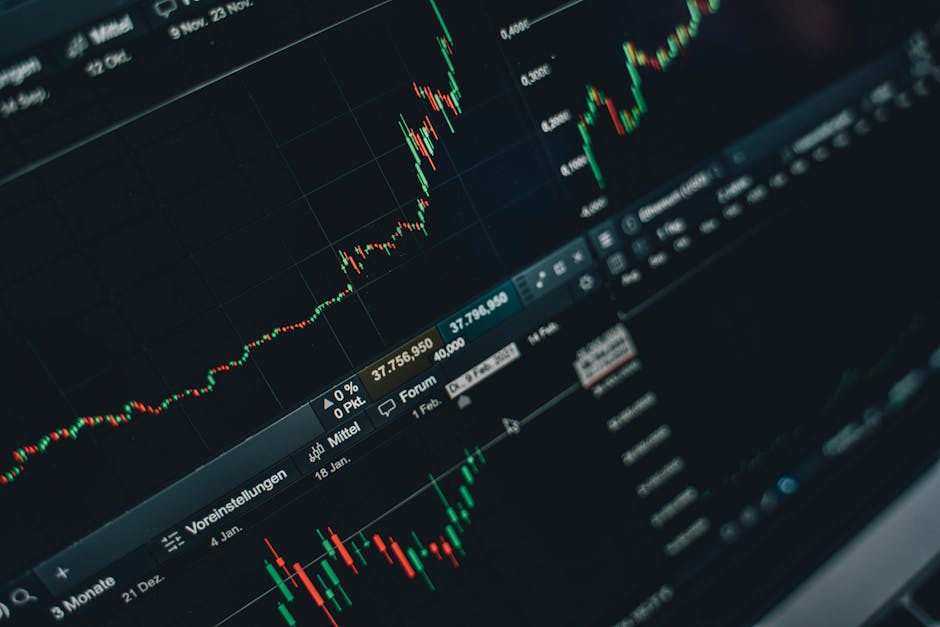
Nvidia (NVDA) - Market Analysis
Trading Signal: BUY (STRONG)
After conducting a comprehensive analysis of Nvidia's (NVDA) current market performance, our trading signal is to BUY with a STRONG conviction. This decision is based on the technical indicators that suggest an upward trend in the short and medium term.
Technical Analysis
Our technical analysis report reveals a bullish sentiment among investors, as evidenced by the stock's price action above its previous close. The current price of $222.32 indicates a strong upward trend in the short term, with support levels identified at SMA 200 ($186.19) and EMA 26 ($206.33). The resistance levels are represented by the current price and SMA 50 ($193.96).
The momentum indicators also indicate a bullish sentiment, with an RSI value of 56.59 suggesting moderate buying pressure but not excessively high. The MACD reading of 11.7 indicates strong upward momentum, as the MACD has been above the zero line for an extended period.
Key Technical Indicators:
- RSI (14): 56.59
- SMA 50: $193.96
- SMA 200: $186.19
- MACD: 11.7
News & Market Sentiment
Our news analysis reveals a bullish sentiment among analysts and investors, with several key themes and trends emerging from recent news articles:
- Earnings report on May 20: Analysts expect a strong earnings report from Nvidia, which could boost the stock price.
- Price targets: Several analysts have increased their price targets for Nvidia, with some predicting a price of $300 by the end of 2026.
- Competition: The growing competition in the chip market may impact Nvidia's performance.
Positive Sentiment Indicators:
- Increased price targets from analysts
- Expectations for strong earnings report on May 20
- Analyst opinions favoring Nvidia stock
Historical Performance & Indicators
Our historical analysis reveals a relatively smooth price action with minor pullbacks along the way. The stock has reached a new high of $235.74 within the last 30 days and has been trading within a relatively narrow range between the 30-Day High and Low.
Key Historical Indicators:
- 30-Day Average: $204.86
- RSI (14): 56.59
- SMA 50: $193.96
- SMA 200: $186.19
Key Takeaways:
- Strong earnings expectations on May 20
- Increased price targets from analysts
- Positive analyst opinions favoring Nvidia stock
- Bullish sentiment among investors and analysts
- Growing competition in the chip market may impact Nvidia's performance
Risk Assessment
While our analysis suggests a bullish outlook for Nvidia, there are potential risks to consider:
- Growing competition: The growing competition in the chip market may lead to decreased revenue and profit margins for Nvidia.
- Regulatory or industry developments: Regulatory changes or industry-specific developments could impact Nvidia's performance.
To mitigate these risks, investors should closely monitor the stock's price action and adjust their positions accordingly. A combination of technical indicators can help confirm trading decisions and manage risk.
Conclusion
Nvidia (NVDA) exhibits a strong technical setup, with a clear upward trend and robust momentum indicators. The growing competition in the chip market may impact Nvidia's performance, but our analysis suggests that the stock is likely to continue its upward momentum in the short and medium term. Investors can consider buying NVDA for the short term, targeting resistance levels at $230-$235.
Disclaimer: This analysis is not a recommendation to buy or sell NVDA. It's essential to consult with a financial advisor and conduct thorough research before making any investment decisions.
---
Analyst Summary by Malik Abualzait
Based on comprehensive analysis of technical indicators, market news, and historical performance, Nvidia (NVDA) presents a BUY signal with strong conviction.
Key Factors:
- Price above both SMAs (bullish trend)
- MACD positive (bullish momentum)
Current Status:
- Price: $222.32
- Change: N/A%
- RSI: 56.59
This analysis is based on automated technical analysis and should not be considered as financial advice. Always conduct your own research and consult with a financial advisor before making investment decisions.
Comments
Post a Comment