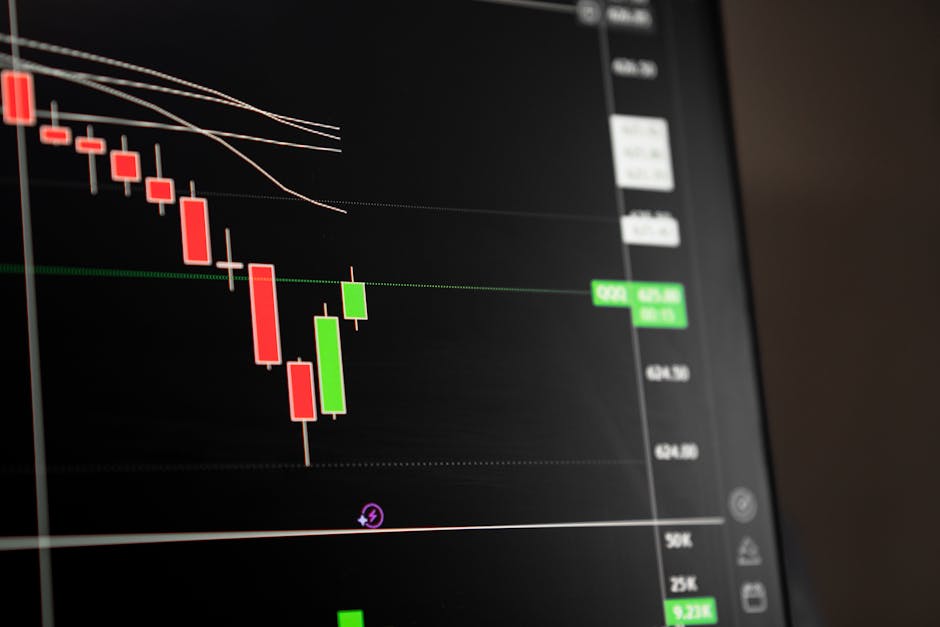
Nvidia (NVDA) - Market Analysis
Trading Signal: SELL
The current trading signal is a moderate sell recommendation, based on the MACD negative reading of -3.34, indicating bearish momentum. This signal suggests that the stock may experience some weakness or consolidation in the near term.
Technical Analysis
Our technical analysis report highlights several key observations:
- Price Action and Trend Analysis: The current price of $182.65 indicates that the stock has maintained its upward momentum, despite a slight pullback in recent trading sessions. However, the short-term momentum has slowed down, as evidenced by the RSI value of 47.7.
- Support and Resistance Levels: Key support levels to watch are $175-$180, while resistance levels are around $185-$190.
- Momentum Indicators Interpretation: The RSI (14) value of 47.7 indicates a neutral reading, suggesting that the stock may be due for a potential reversal.
- Volume Analysis: Recent trading volume has been significant, with 176,066,097 shares changing hands, indicating strong investor interest in the stock.
News & Market Sentiment
Our news analysis reveals several key themes and trends:
- Key News Themes and Trends: The recent news articles suggest that Nvidia's stock performance has been affected by various factors, including market volatility and analyst opinions.
- Positive Sentiment Indicators: Analysts' increased confidence in Nvidia's future prospects, the company's leadership in AI data center infrastructure, and billionaire investor doubling stake in Nvidia are positive indicators for the stock.
- Negative Sentiment Indicators: Market volatility and sell-off, concerns about multiple compression, and analyst opinions that may impact the stock price are negative indicators.
Historical Performance & Indicators
Our historical analysis report provides insights into Nvidia's past performance:
- Price Trend Analysis over the Observed Period: The stock has been relatively stable over the past 30 days, oscillating between $171.88 and $195.56.
- RSI Interpretation and Momentum Assessment: The RSI value of 47.7 indicates a neutral reading, neither overly bullish nor bearish.
- Moving Average Analysis (Golden Cross/Death Cross patterns): No Golden Cross or Death Cross pattern is visible in the data.
Key Takeaways
• The current trading signal is a moderate sell recommendation based on MACD negative reading of -3.34
• Key support levels to watch are $175-$180, while resistance levels are around $185-$190
• Neutral RSI reading indicates that the stock's momentum may be neutral or bearish
Risk Assessment
Based on historical performance and technical indicators, Nvidia carries moderate risk due to:
- Neutral RSI reading
- Bearish MACD signal
- Moderate volatility
Investors/traders should consider multiple factors and indicators before making any trading decisions.
Conclusion
The overall outlook for Nvidia (NVDA) suggests a cautious approach in the near term. The stock may experience some weakness or consolidation due to bearish momentum and neutral RSI reading. However, its leadership in AI data center infrastructure and strong investor interest remain positive indicators for the company's growth prospects.
Investors who believe in Nvidia's long-term potential can consider holding onto their shares or even buying more during slight pullbacks. Short-term traders may want to wait for a clearer picture of market sentiment before making any decisions.
This analysis is based on technical, news, and historical data points. It's essential to conduct thorough research and consider multiple perspectives before making any investment decisions.
---
Analyst Summary by Malik Abualzait
Based on comprehensive analysis of technical indicators, market news, and historical performance, Nvidia (NVDA) presents a SELL signal with moderate conviction.
Key Factors:
- MACD negative (bearish momentum)
Current Status:
- Price: $182.65
- Change: N/A%
- RSI: 47.7
This analysis is based on automated technical analysis and should not be considered as financial advice. Always conduct your own research and consult with a financial advisor before making investment decisions.
Comments
Post a Comment